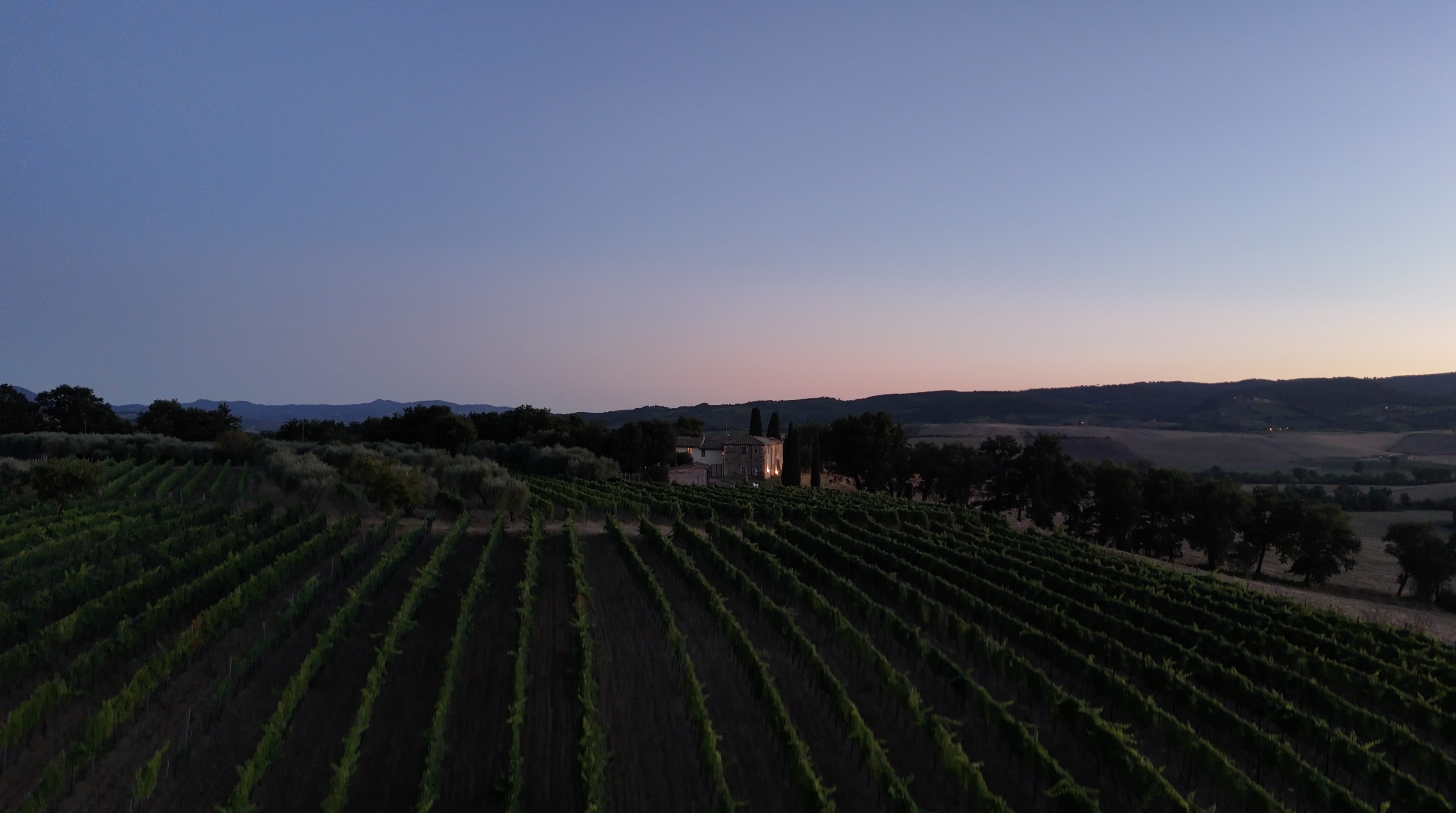
Val d'Orcia
The most protected land in Italy. Galestro soils, an extreme microclimate, Sangiovese of 30 generations. The heart of Oria.
Become an owner hereA landscape of absolute protection
Val d'Orcia is a valley in southern Tuscany declared a UNESCO World Heritage Site in 2004. It is one of the few agricultural areas in the world where the landscape and its history have been so well preserved that UNESCO recognised it as a heritage of humanity.
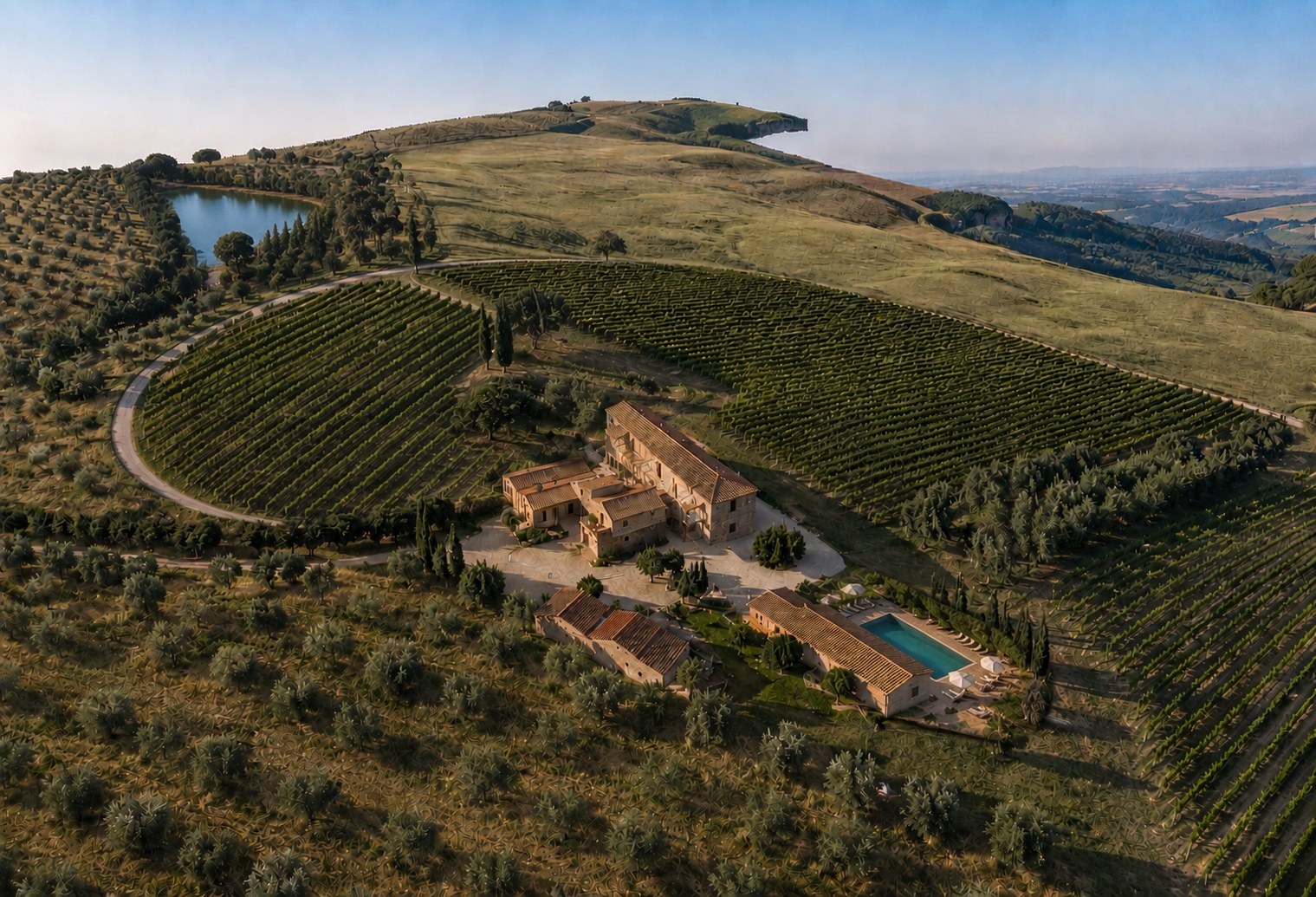
The Oria vineyard lies in the immediate surroundings of San Quirico d'Orcia, in the heart of this area. The soils are galestro —a calcareous schist that drains excess water and concentrates minerals— and alberese —a calcareous clay that retains moisture in summer. It is the perfect combination for Sangiovese.
The microclimate of Val d'Orcia is extreme: cold winters with frosts, dry and hot summers, and a pronounced daily thermal range in August-September. It is precisely this swing that generates the complex aromas and the preserved acidity that characterise Oria's Sangiovese.
See the wine born here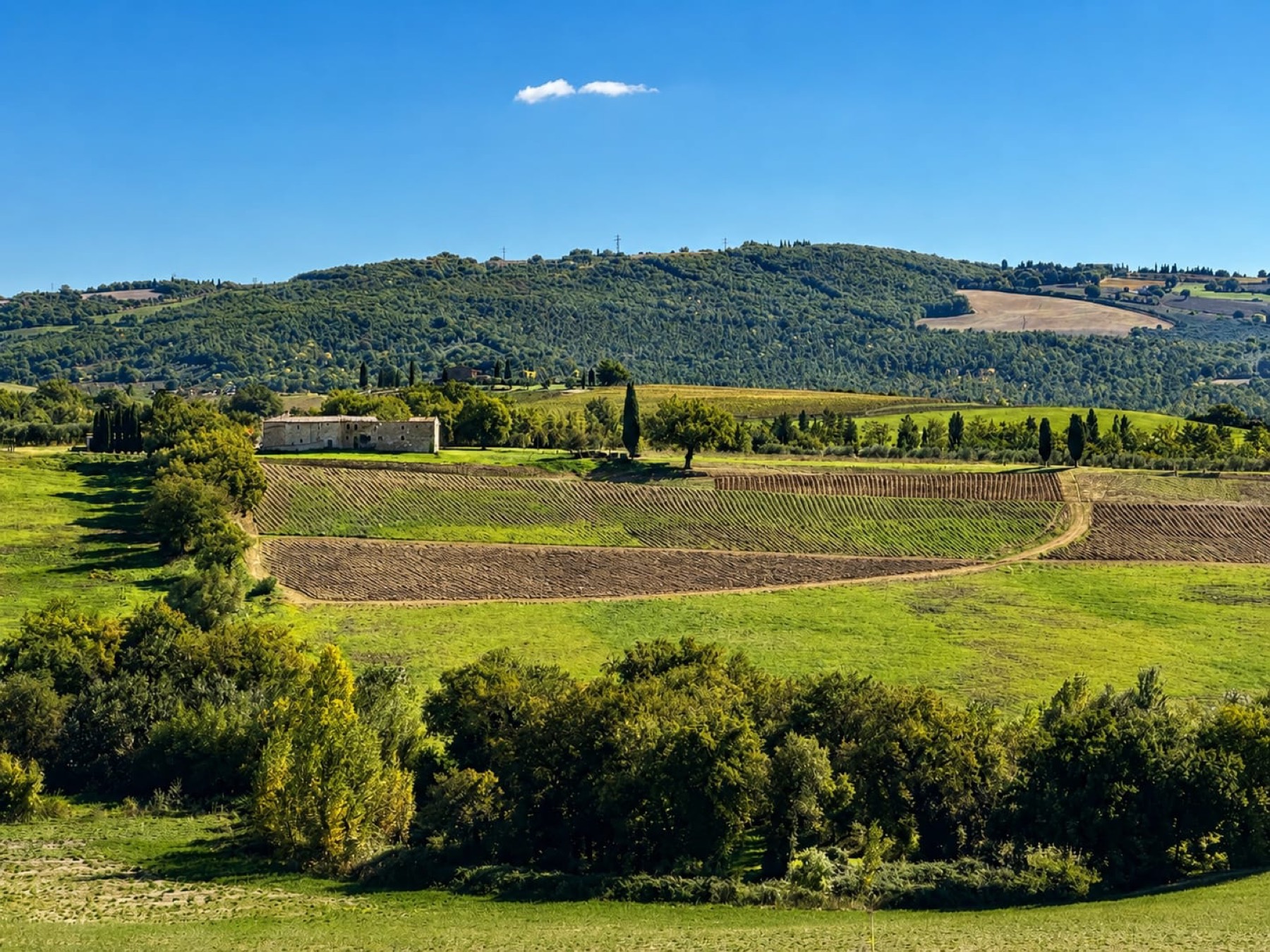
The soils of Val d'Orcia
What makes this corner of Tuscany unique is not one single thing, but the dialogue between three ancient soils that coexist within a few hectares. Galestro, alberese and travertine are rocks of very different origins —marine, sedimentary and thermal— that interrupt one another along the vineyard. Roberto Cipresso draws on that mixture to find, parcel by parcel, the exact soil that each Sangiovese clone needs to express its best version. The result is wines with three distinct geological signatures written into the same glass: tension, body and minerality.
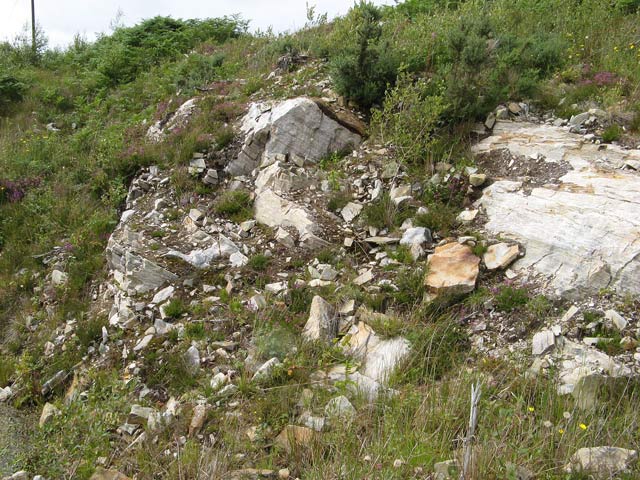 Schist
A laminated schist of marine origin, formed more than five million years ago when the Mediterranean covered Tuscany. It fragments into bluish-grey laminae that drain off excess water and force the vine to sink its roots three or four metres deep in search of minerals. That controlled water stress limits vigour, reduces berry size and concentrates sugars, anthocyanins and aromas. It is the soil that gives Sangiovese its mineral backbone, its tension and its capacity to age for decades.
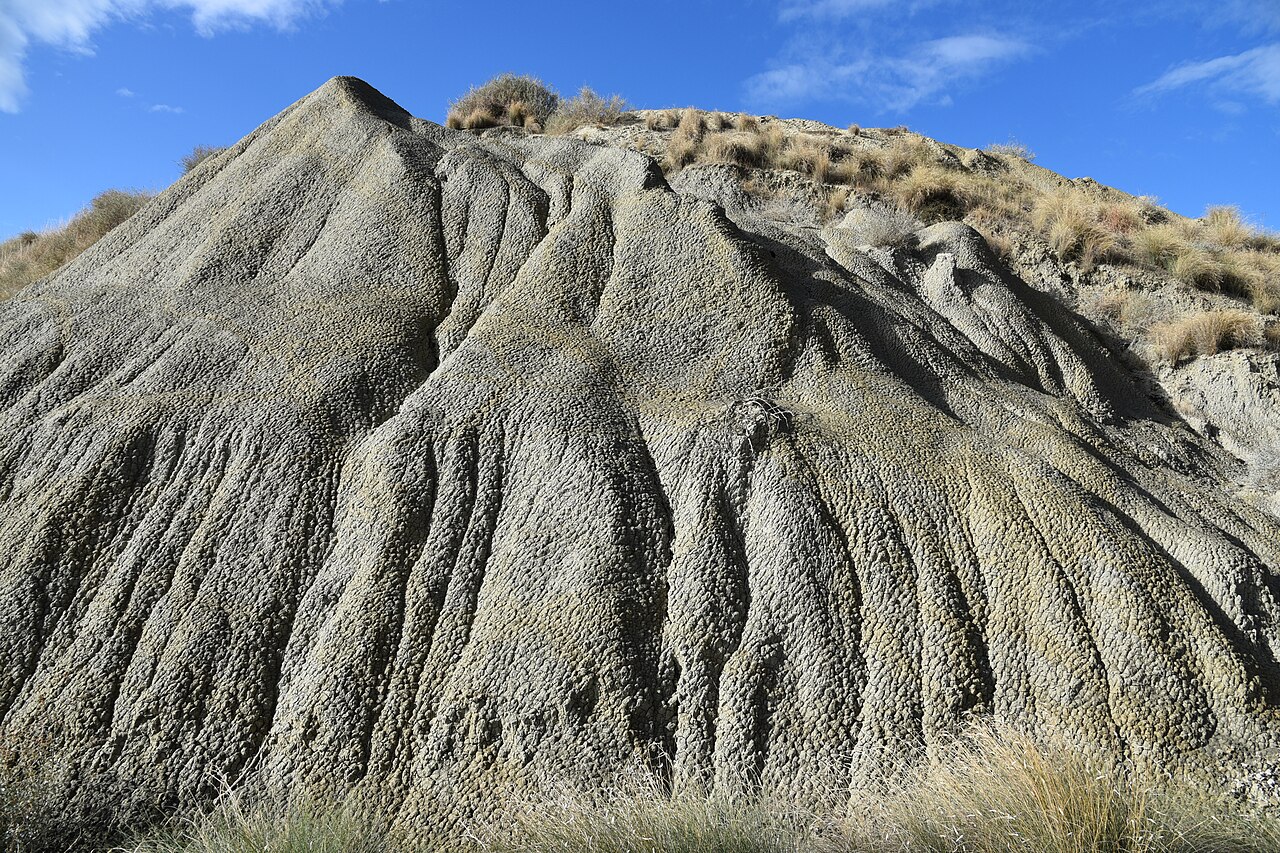 Calcareous marl
A compact, light-coloured calcareous marl, rich in active calcium carbonate. It works as a natural water reserve: it retains the moisture of the spring rains and releases it slowly during the summer drought, without ever waterlogging the root. That water regulation brings body, roundness and the warm note of ripe plum to Sangiovese, along with the tannic structure that sustains the wine over time. It is the counterpoint that balances the severity of the galestro.
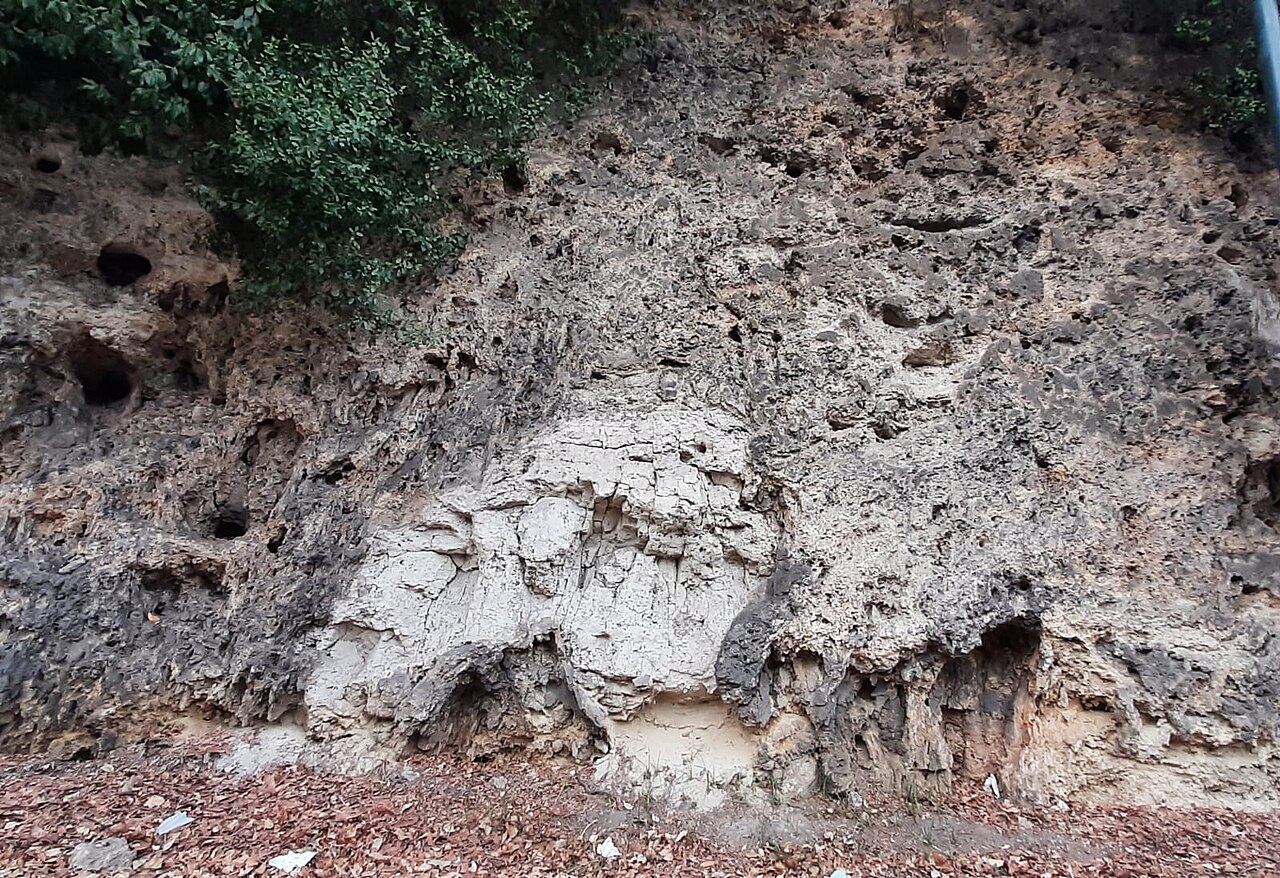 Porous limestone
A porous calcareous rock deposited by ancient thermal springs, which surfaces in the highest sectors of the vineyard. Its pale surface reflects light back onto the cluster and favours an even ripening, while its porosity aerates the subsoil and keeps the root cool on summer nights. It is the rarest and most singular of the three soils: it brings freshness, floral and citrus notes, and a saline minerality that appears on the aftertaste and signs the wines of Val d'Orcia.
Reference geological photographs · Galestro: Jonathan Wilkins, CC BY-SA 2.0 · Alberese: Cinzia Astorino, CC BY-SA 4.0 · Travertine: Agnese Galeffi, CC BY-SA 4.0
The four seasons of Sangiovese
Each season leaves its mark on the glass. What for the walker are changes of landscape, for the grower are decisions —and for Cipresso, chapters of the very wine you have just poured.
Santa Maria della Scala
A few kilometres from the vineyard stands the Santa Maria della Scala monastery, built in the 13th century in San Quirico d'Orcia. Oria is restoring this historic heritage to house 14 suites in the most authentic Tuscan style, a private tasting cellar and the barrels of the Balsamico Oria balsamic vinegar.
For Oria members, the monastery is the epicentre of the Oria Days: tastings beneath its vaults, mindfulness retreats in its cloisters, access to the collection of century-old barrels.
Oria's other terroirs
200 m² of this landscape, yours
From €13,500 you acquire a real fraction of vineyard in Val d'Orcia. Company shareholding, 144 bottles a year, a transferable legacy.